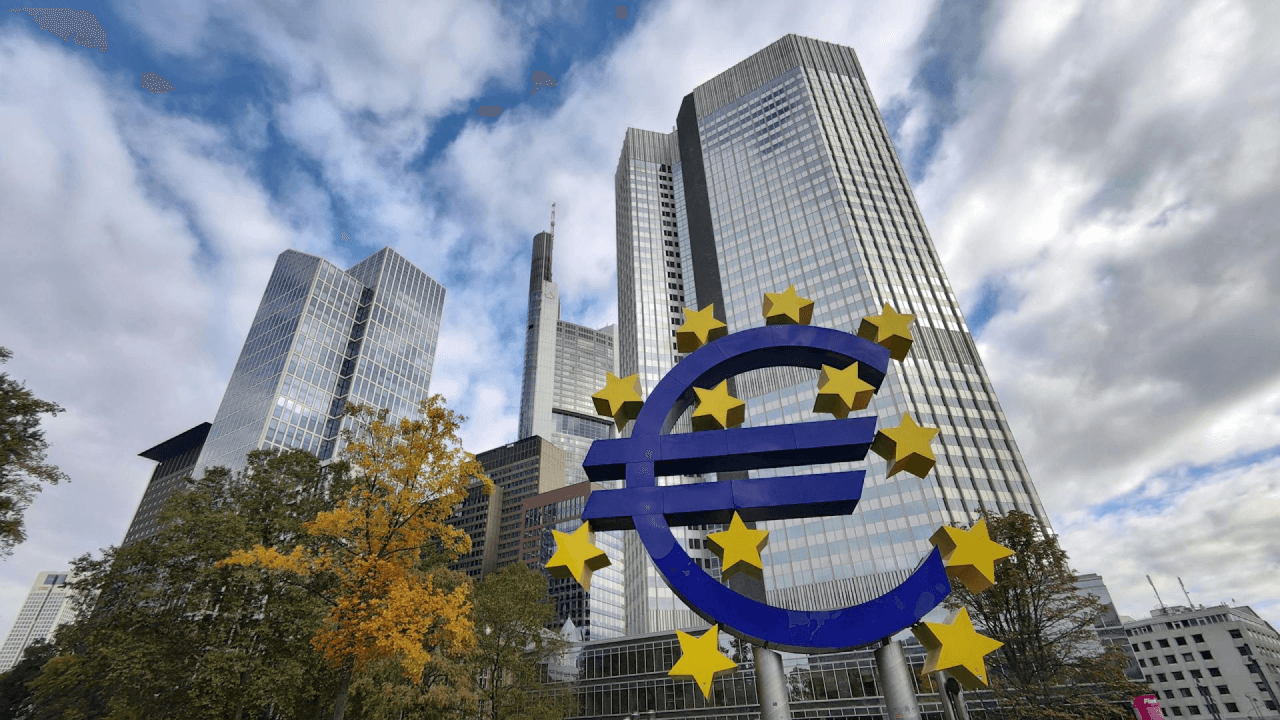
The ECB met on April 30 to decide the Eurozone’s monetary policy: what happened to interest rates? Here are the results.
The European Central Bank meeting on Thursday, April 30, 2026, saw the members of the Governing Council gather to discuss, among other things, the Eurozone’s monetary policies. On the table were the decisions regarding interest rates. What happened?
ECB Meeting: what is the economic context?
The third ECB meeting of 2026 took place against a complex economic backdrop where future uncertainty reigns supreme, between Donald Trump’s unpredictability and conflicts that seem destined to drag on. The main topics focused heavily on economic growth, which has been deeply affected by geopolitical instability, and inflation, currently at 3% according to the latest reading—higher than expected. Let’s look at what was decided in detail.
The ECB leaves interest rates unchanged
Thursday, April 30, Frankfurt. The Governing Council of the European Central Bank has announced its monetary policy decision for the Eurozone. As expected by the majority of analysts, the ECB has decided to keep its three key interest rates unchanged. Consequently, the deposit facility rate remains steady at 2%, the main refinancing operations rate at 2.15%, and the marginal lending facility rate at 2.40%.
The reasoning behind the choice
The ECB explained that the decision is summarized in this statement: “New information is broadly in line with the previous assessment of inflation outlooks, but upside risks to inflation and downside risks to growth have intensified.”
A deterioration of the outlook is largely attributable to the outbreak of the war in Iran and all its subsequent consequences: “The implications of the war for medium-term inflation and economic activity will depend on the intensity and duration of the energy price shock, as well as the extent of its indirect and second-round effects.”
In this context, as is only logical, “the longer the war continues and the longer energy prices remain elevated, the greater the likely impact on broader measures of inflation and the economy.”
With this meeting, the ECB confirms a more cautious stance
The ECB meeting in March 2026 decreed the maintenance of interest rates at February levels: this is the seventh consecutive meeting with this outcome. Despite an extremely uncertain situation with skyrocketing energy prices, the ECB writes that the Eurozone might be in a better position than one might think: since we entered this phase of sharp increases with inflation already close to 2% (the ECB’s stated target), “longer-term inflation expectations remain firmly anchored, although those over shorter horizons have risen significantly.”
In this context, the ECB Governing Council remains in a wait-and-see posture: “the Governing Council will monitor the situation closely and will adopt a data-dependent approach whereby decisions are taken from meeting to meeting.”
Naturally, the coming weeks will be crucial to see if the data confirms the current scenario and what the next move from the Eurotower will be.
The next meeting is scheduled for June 10-11, 2026: what will the members of the Governing Council decide? To ensure you don’t miss any upcoming meetings, take a look at our 2026 ECB meeting calendar—either way, we’ll be here to cover them. Subscribe to Young Platform to stay up to date on the things that matter!

Related Article

Download the Young Platform app